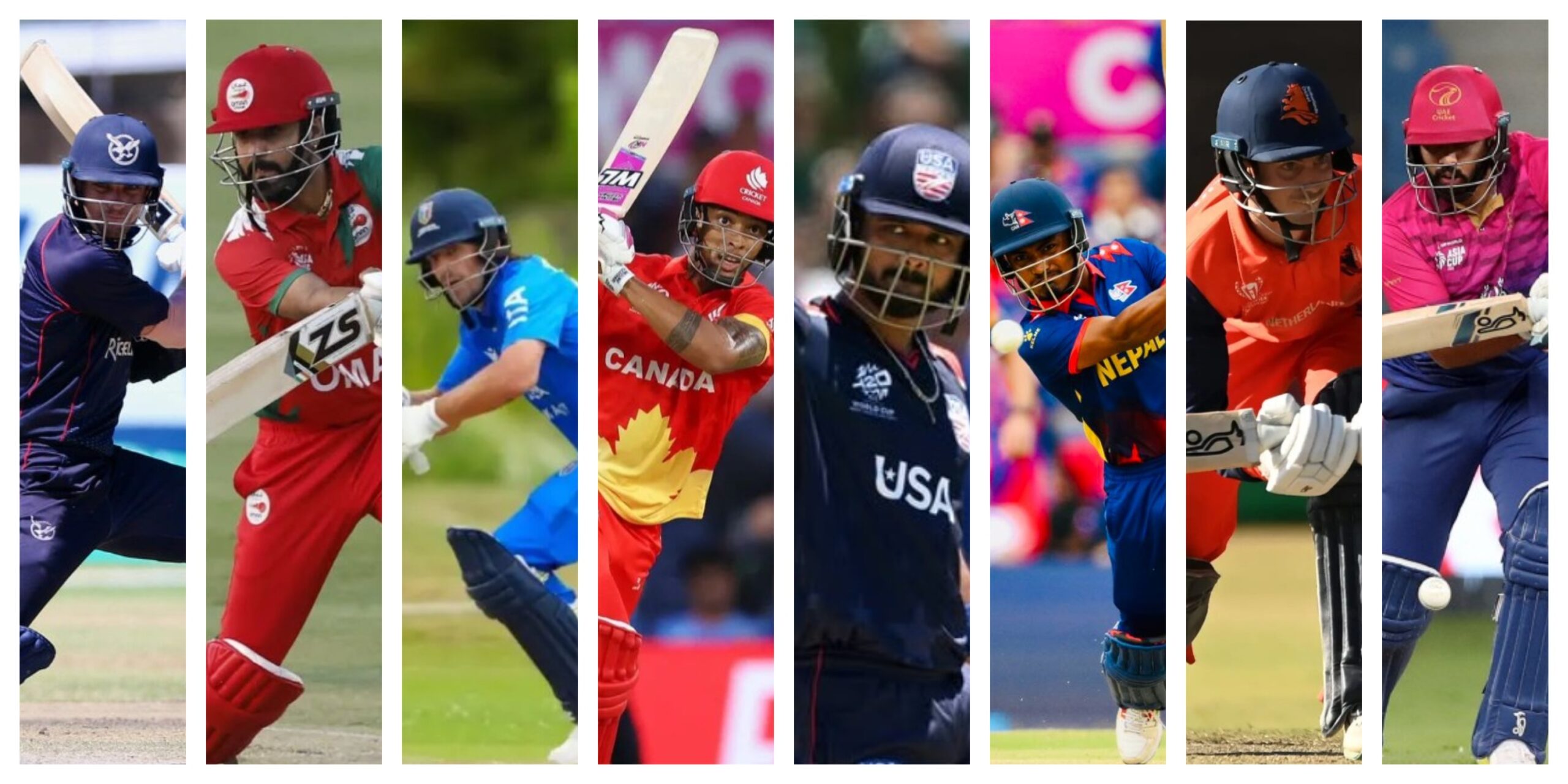
The undervaluation of associate-member cricket teams in global media rights is not because their cricket lacks quality or potential — it is mainly because the modern sports-media economy rewards certainty over possibility. Established full-member teams provide guaranteed mass audiences, predictable advertising returns, and low commercial risk. Associate teams, by comparison, represent growth markets: exciting, unpredictable, culturally diverse — but commercially unproven.
Broadcasters tend to purchase what they already know will sell. This creates a circular problem for associate nations:
- Low exposure → small audiences → low rights fees → little development funding → low visibility again.
Breaking this loop requires upfront investment — something the existing broadcast model is not designed to prioritize unless success is already proven.
The Core Reasons for Undervaluation
1. Risk-Averse Media Strategy
Sports broadcasters want stable audience numbers to justify big spending. Known rivalries and star players from full members provide reliable ratings. Associate fixtures often involve unfamiliar players, limited marketing and unpredictable viewership — making them appear “high-risk” content despite their sporting value.
2. Underdeveloped Storytelling
Cricket sells stories, not just matches. Associate teams lack well-funded narrative building — documentaries, star marketing, behind-the-scenes content and multilingual promotion. Without these emotional hooks, neutral fans don’t feel invested. The issue isn’t quality of cricket — it’s absence of audience connection.
3. Production Quality Ceiling
Broadcast quality shapes perception. Viewers subconsciously equate fewer cameras and limited commentary to “minor cricket,” regardless of on-field standards. This creates a branding problem: even excellent associate cricket appears lower-tier simply because it looks cheaper.
4. Fragmentation of Content
Associate cricket is spread across many small tournaments and tours with no unified rights structure. Instead of being sold as a compelling global “emerging cricket package,” it is marketed piecemeal — too small for major broadcasters and too scattered to build momentum.
5. Absence of Revenue Safety Nets
Most sports grow through cross-subsidy — profits from top competitions help fund the development tiers. Cricket’s commercial structure largely lacks this. Major-market revenues stay concentrated at the top, so associate teams don’t receive consistent media-based reinvestment needed to grow their markets.