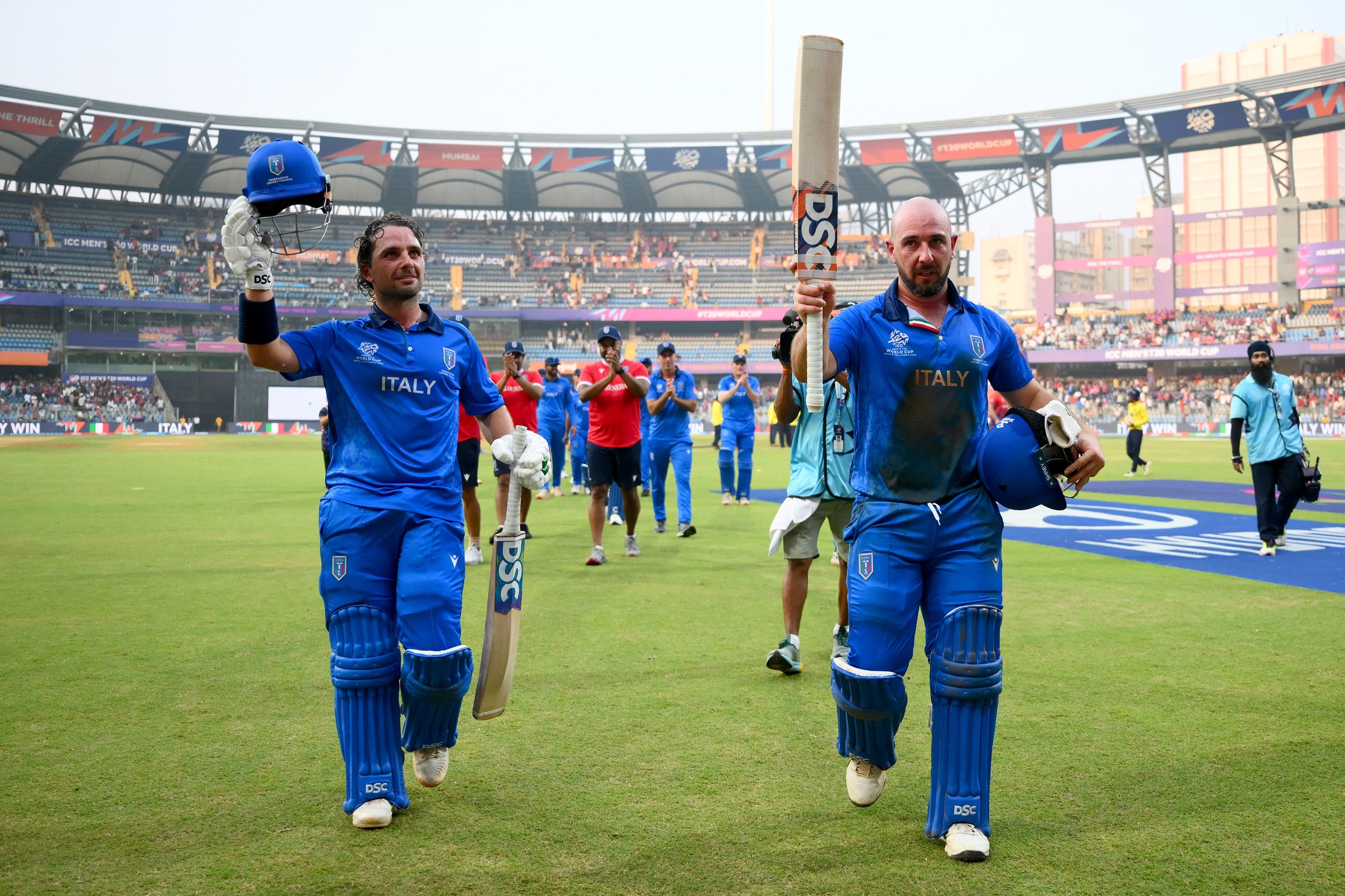
Global cricket now spans 90+ national teams across five regions, yet the financial and media gap between Full Members and Associate nations remains enormous. Associate teams play international cricket, compete in World Cups, and develop new fanbases — but the spotlight, broadcast deals, and sponsorship money still flow overwhelmingly toward the traditional powers.
This isn’t about talent or passion. It’s about economics, visibility, and structural incentives — and until those change, Associates will continue fighting for attention.
The Revenue Reality: Cricket’s Uneven Economy
The modern cricket economy is driven by broadcast value.
Full Member cricket generates massive TV and streaming rights revenue because it guarantees:
- Large domestic audiences
- Established rivalries
- Commercial sponsors
- Predictable tournament schedules
Associate cricket, by contrast, faces a difficult cycle:
Low visibility → Low broadcast value → Low revenue → Low investment → Low visibility
Without strong broadcast deals, most Associate boards rely heavily on:
- ICC funding distributions
- Government grants
- Limited local sponsorship
This funding model keeps cricket alive — but rarely allows it to grow fast enough to compete for global attention.
The Visibility Problem: Out of Sight, Out of Mind
A harsh truth of modern sport:
What isn’t televised doesn’t exist to most fans.
Full Member cricket dominates:
- Prime broadcast windows
- Major sports media coverage
- Global social media conversation
Associate fixtures often:
- Stream on smaller platforms
- Lack consistent coverage
- Occur in crowded global sports calendars
Even when Associates produce remarkable performances, they rarely receive sustained coverage. Without consistent exposure, building fanbases becomes extremely difficult. For example, ICC TV and Fancode are the only two sources to watch all qualification pathway tournaments towards both Men’s and Women’s T20 World Cup and Cricket World Cup.
Scheduling Incentives: Why Full Members Rarely Play Associates
Full Member boards operate in a high-pressure revenue environment.
Their schedules prioritise:
- Bilateral series that guarantee TV revenue
- ICC events with major commercial returns
- Domestic leagues worth billions
Playing Associate nations often:
- Generates smaller audiences
- Offers limited commercial return
- Creates scheduling risks before major tournaments
From a purely financial perspective, Full Members are incentivized to play matches that maximize income and audience reach. There will be an odd-series at rare intervals, that includes an Associate Member and a Full Member in a bi-lateral (most likely) or a multi-nation event, but these days, most happen few months leading into a major ICC global event.
The result: few bilateral opportunities for Associates.
Sponsorship Gap: The Exposure Equation
Sponsors invest where audiences already exist.
Full Member cricket offers:
- Global broadcast reach
- Massive fan engagement
- Predictable marketing exposure
Associate cricket often offers:
- Smaller audiences
- Limited broadcast guarantees
- Irregular event calendars
Without regular exposure, sponsors struggle to justify large investments — which further limits marketing and growth opportunities for Associate boards. With that being said, Cricket Boards like Namibia, Uganda, Nepal, Canada, Oman, United Arab Emirates and few others do have sponsorship deals with private companies.
The Infrastructure & Travel Challenge
Many Associate nations face additional logistical barriers:
- Long travel distances between fixtures
- Limited international-standard venues
- Higher hosting costs
- Visa and travel complexities
These challenges increase the cost of organising international cricket, making it harder to host high-profile series that attract global attention.
The Exposure Cycle That’s Slowly Changing
Despite the challenges, momentum is building.
Recent trends show:
- More Associates hosting Full Member warm-up series
- Expanded ICC event qualification pathways
- Growing regional tournaments
- Increased digital streaming opportunities
Associate cricket is becoming more visible — but the shift is gradual rather than immediate.
Why the Future Still Matters
Every Full Member nation was once an Associate.
The global expansion of cricket depends on:
- More competitive pathways
- Greater broadcast access
- Increased bilateral opportunities
- Continued investment in emerging regions
As the sport grows beyond its traditional strongholds, Associate nations represent cricket’s biggest opportunity for global expansion.
The Bigger Picture
Associate cricket is not a niche.
It is the foundation of cricket’s future growth.
The challenge is no longer talent or ambition.
It is creating the economic and media ecosystem that allows these teams to thrive — and ensures the global game continues to expand.
And that story is only just beginning.